
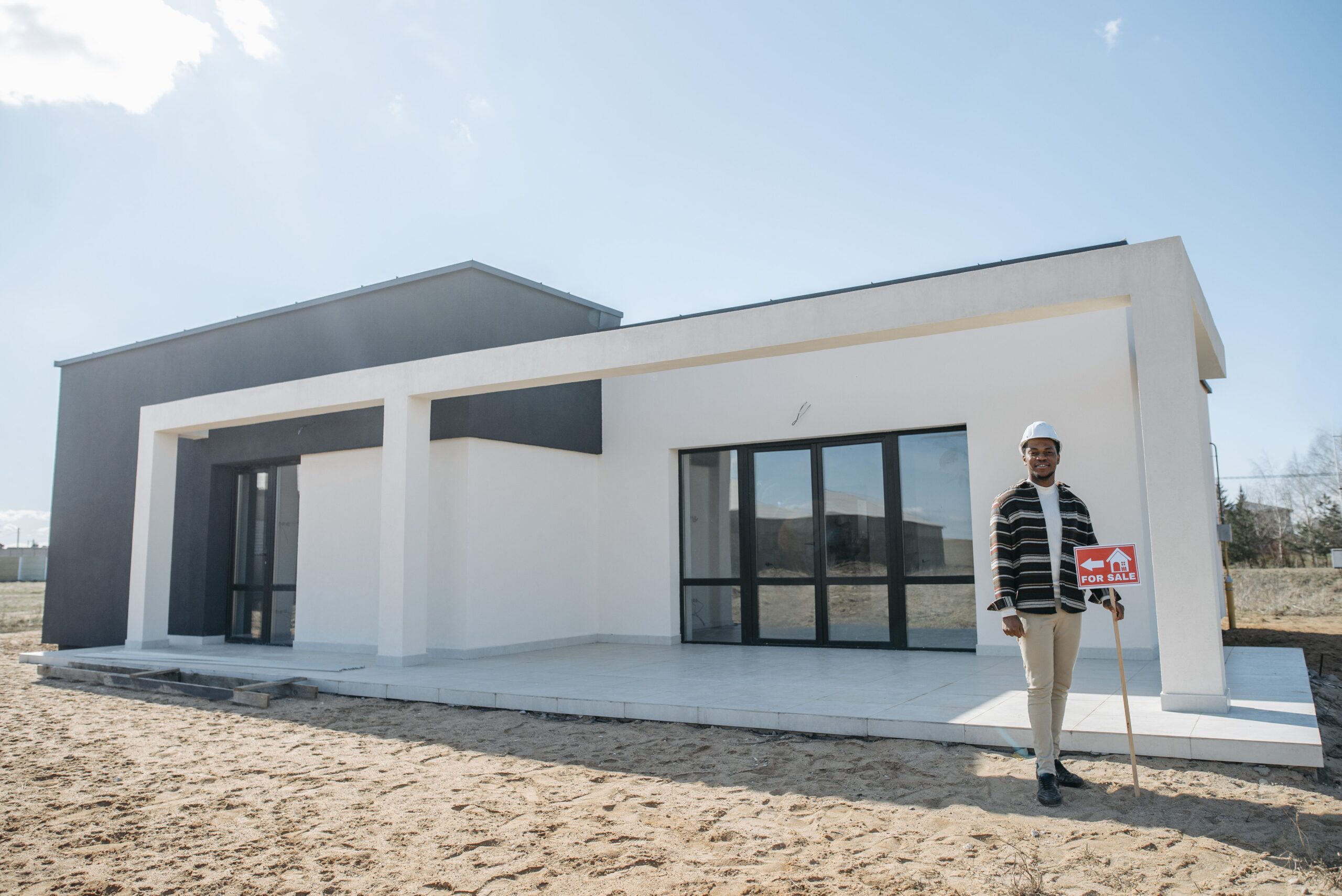
Building a custom home is one of the biggest investments you'll make, and the question we hear most often is: how long will it actually take? The realistic timeline for custom homes in the Homer Glen area runs 9 to 14 months from groundbreaking to move-in, though the design phase before breaking ground can add another 2 to 4 months. Weather, permitting timelines, and the complexity of your design all shape the schedule, but understanding what happens in each phase helps you plan confidently and avoid the surprises that derail projects.
At Crockett Construction, we've walked hundreds of families through the design build process since 1994. We know that transparent timelines build trust, so we share weekly progress updates and walk you through every decision point before it arrives. Let's break down the actual phases of a custom home build and what you should expect at each stage.
The Discovery and Design Phase: Laying the Groundwork

Before a single shovel hits the ground, your custom home begins on paper. This phase typically runs 8 to 12 weeks and sets the foundation for everything that follows.
Initial Discovery Call
We start with a detailed conversation about your vision, lifestyle needs, budget parameters, and timeline expectations. You'll meet with both the designer and the project manager who will stay with you through completion. That continuity matters. As David L. from Flossmoor told us, 'I interviewed five design-build firms. Crockett was the only one that brought the designer and project manager to every single meeting.'
During discovery, we also assess your lot. Soil conditions, drainage patterns, setback requirements, and access for heavy equipment all influence the design and schedule. In Homer Glen and the surrounding south suburbs, frost-line depth requirements and drainage considerations shape foundation decisions before we draw the first line.
Architectural Design and Selections
Once we align on scope and budget, our in-house designer creates architectural drawings that translate your vision into buildable plans. You'll review floor plans, elevations, and 3D renderings that show exactly what the finished home will look like.
This is also when you make core material selections: Interior Design choices like flooring, cabinetry, countertops, fixtures, and finishes. Locking in these decisions during design prevents costly change orders during construction. When selections, site conditions, and scope are locked in before breaking ground, change orders drop dramatically.
You'll also choose trusted brands like Andersen windows, James Hardie siding, Kohler fixtures, and Benjamin Moore paint. These aren't just aesthetic choices. They're investments in durability, energy efficiency, and long-term value.
Permitting and Engineering
Once plans are finalized, we submit them to the local building department for review and permitting. Timelines vary by municipality, but in the Homer Glen area, expect 3 to 6 weeks for permit approval. We manage every permit, inspection, and municipal requirement from start to finish so you never have to navigate it yourself.
Structural engineering, energy code compliance, and zoning reviews all happen here. If your lot requires a well, septic system, or special drainage solutions, those permits run concurrently.
Site Preparation and Foundation: Breaking Ground
Once permits are in hand, construction begins. Site prep and foundation work typically take 3 to 5 weeks, though weather plays a significant role.
Excavation and Utilities
The site is cleared, staked, and excavated to the depth required by your foundation design. In northern Illinois, frost lines reach 42 inches, so foundations must extend below that depth to prevent frost heave.
Utility lines for water, sewer (or septic), gas, and electric are trenched and roughed in. If your site requires a well or septic system, those installations happen now and add 1 to 2 weeks to the timeline.
Foundation Pour and Curing
Concrete foundations are poured and left to cure. Curing time depends on temperature and humidity, but plan for 7 to 10 days before framing can begin. Cold weather slows curing, which is why many custom home projects in the Chicagoland area avoid winter foundation pours when possible.
Waterproofing, drainage tile installation, and backfilling happen once the foundation cures. Proper drainage is critical in our region, where spring thaw and heavy rains test every foundation.
Framing and Structural Work: Watching Your Home Take Shape
Framing is the most visually dramatic phase. In 4 to 6 weeks, your home goes from a concrete slab to a fully framed structure with walls, floors, and a roof.
Floor, Wall, and Roof Framing
Framers build the skeleton of your home: floor joists, wall studs, roof trusses, and sheathing. Windows and exterior doors are installed, and the structure is wrapped in a weather-resistant barrier.
This is when you see the layout come to life. Room sizes, ceiling heights, window placements, and sight lines all become tangible. We schedule a walkthrough during framing so you can experience the space before drywall goes up.
Inspections and Adjustments
Municipal inspectors review framing, structural connections, and shear wall placements to ensure code compliance. According to ICC building codes resource, framing inspections verify that the structure meets load-bearing and wind-resistance standards critical in the Midwest.
Any adjustments based on inspection feedback happen now. Transparent communication during this phase keeps the project on schedule.
Mechanicals, Insulation, and Systems: The Hidden Infrastructure
Once framing passes inspection, the trades move in to install the systems that make your home functional. This phase runs 5 to 7 weeks.
Rough-In Plumbing, Electrical, and HVAC
Plumbers rough in water supply lines, drain waste vent systems, and fixtures. Electricians run wiring for outlets, switches, lighting, and panel boxes. HVAC contractors install ductwork, venting, and equipment.
If you've chosen energy-efficient upgrades like Rinnai tankless water heaters, radiant floor heating, or zoned HVAC, those systems are installed now. Custom Homes projects often include smart home wiring, whole-home audio, and security pre-wiring during rough-in.
Insulation and Air Sealing
Insulation is installed in exterior walls, ceilings, and floors. Spray foam, batt insulation, or blown-in cellulose are common choices depending on your energy goals and budget.
Air sealing around windows, doors, and penetrations is critical for energy efficiency and comfort. In the Chicago suburbs, where winters test every thermal envelope, proper insulation and air sealing prevent drafts and high utility bills for decades.
Inspections Before Drywall
Before drywall covers the walls, inspectors verify that plumbing, electrical, and mechanical systems meet code. This is your last chance to make any adjustments before finishes go in, so we schedule a pre-drywall walkthrough to confirm everything matches your expectations.
Interior Finishes: Bringing Your Design to Life
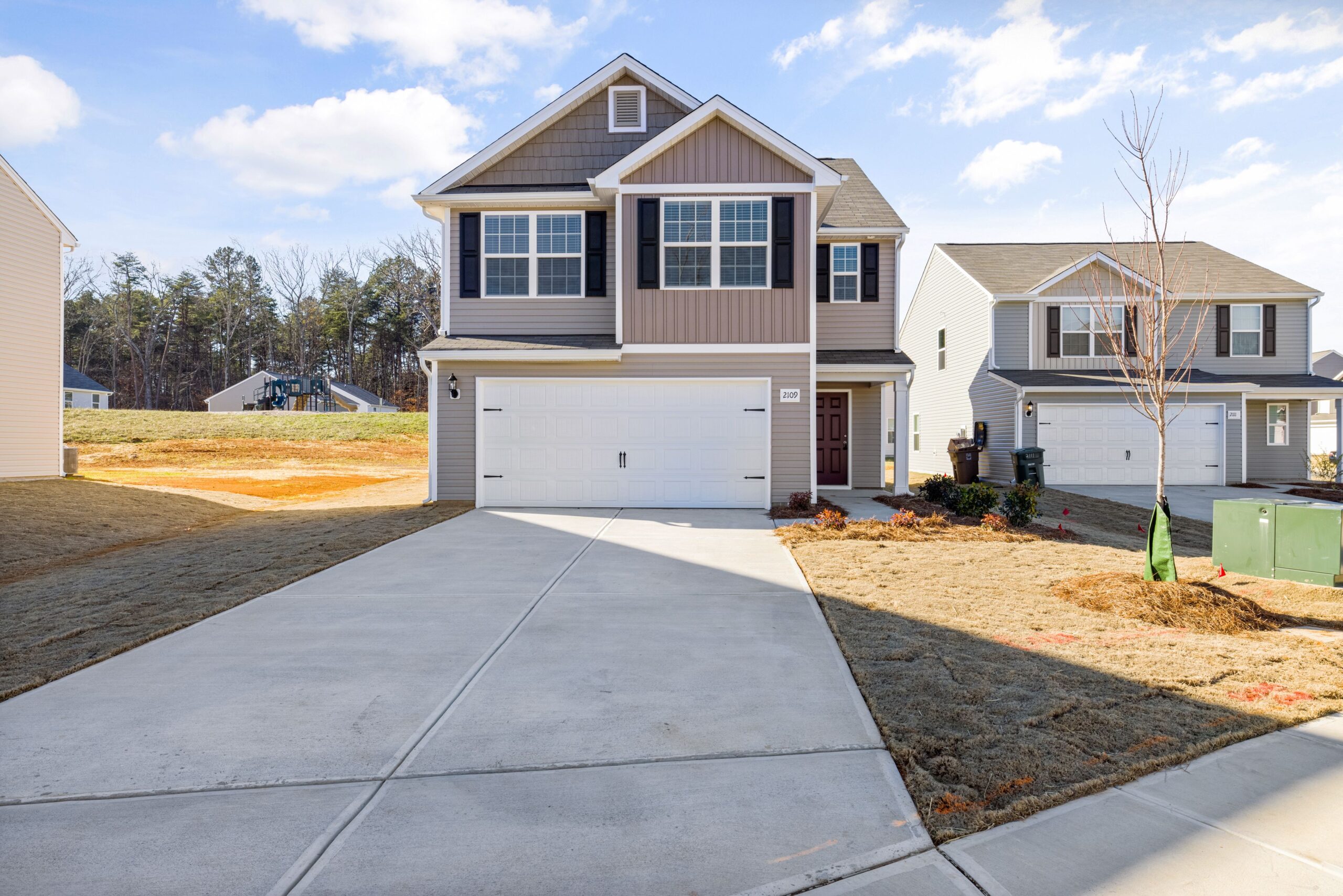
Finish work transforms the framed structure into your home. This phase typically takes 6 to 9 weeks and involves the most decision-making.
Drywall, Paint, and Trim
Drywall is hung, taped, and finished. Once it's primed and painted with Benjamin Moore colors you selected during design, the home starts to feel real.
Trim carpenters install baseboards, door casings, crown molding, and window sills. Custom millwork, built-ins, and specialty details are crafted and installed by our in-house carpenters.
Flooring, Cabinetry, and Countertops
Flooring goes in: hardwood, tile, luxury vinyl, or carpet depending on the room. Timing varies by material. Hardwood needs to acclimate to the home's humidity before installation, which can add a week.
Cabinets are installed in the kitchen, bathrooms, laundry room, and any custom storage areas. Countertops are templated, fabricated, and installed once cabinets are in place. Quartz, granite, and marble each have different lead times, so selections made during the design phase keep this stage on track.
Plumbing and Electrical Fixtures
Kohler faucets, sinks, toilets, and shower fixtures are installed. Light fixtures, outlet covers, and switch plates go in. Appliances arrive and are tested.
This is when your home starts to function. Water flows, lights turn on, and the HVAC system balances the temperature in every room.
Final Details and Punch List
The final two weeks of finish work focus on details: touch-up paint, caulking, hardware installation, and cleaning. We create a punch list with you during a pre-final walkthrough, noting any small items that need attention before closing.
Final Inspections and Move-In: Crossing the Finish Line
The last phase involves inspections, final systems testing, and handing you the keys.
Municipal Final Inspection
The building department conducts a final inspection to verify that all work meets code and matches the approved plans. Once the inspector signs off, the certificate of occupancy is issued, allowing you to legally occupy the home.
Systems Training and Warranty Walkthrough
We walk you through every system in your home: how to operate the HVAC controls, where shut-off valves are located, how to maintain the tankless water heater, and what to expect during the first year.
You'll receive warranty documentation for all equipment, appliances, and materials. We also review our post-move care process so you know exactly how to reach us if anything needs attention.
Move-In
After 9 to 14 months of planning, building, and finishing, you're ready to move in. The timeline depends on complexity, weather, and permitting, but transparent communication and weekly updates mean you're never guessing where things stand.
Patricia W. from Homer Glen told us, 'Three generations of Crocketts all worked on our kitchen remodel. You can tell they actually care about the result.' That same family-run accountability carries through every remodeling and custom home project we complete.
What Affects Your Custom Home Timeline
Several factors influence how long your project takes, and understanding them helps you plan realistically.
Weather and Seasonal Considerations
Harsh winters, freeze-thaw cycles, and spring rains all impact construction schedules in the Chicagoland area. Concrete curing slows in cold weather. Exterior work pauses during heavy snow or ice.
Many families choose to start design in late summer or fall, permit through winter, and break ground in spring. That cadence aligns finish work with late summer or early fall, avoiding the coldest months.
Permitting Timelines
Municipal permitting timelines vary. Some suburbs process permits in 3 weeks; others take 6 or more. Historic district restrictions, zoning variances, and environmental reviews add time.
We build permitting timelines into the schedule from day one, so delays don't catch you off guard.
Material Lead Times
Custom cabinetry, specialty windows, stone countertops, and high-end fixtures often carry lead times of 6 to 12 weeks. Ordering early during the design phase keeps these items from holding up construction.
Supply chain disruptions, though less severe than in recent years, still occasionally delay specific products. We track orders closely and communicate any shifts immediately.
Scope Changes During Construction
Change orders extend timelines. When you decide mid-build to add a bathroom, upgrade flooring, or redesign the kitchen island, the schedule shifts.
That's why we invest so much time in the design phase. Clear upfront planning locks in scope and prevents costly mid-construction surprises. If changes do arise, we walk you through the timeline and budget impact before proceeding.
How Crockett Construction Keeps Your Project on Schedule
After 30 years and three generations of family ownership, we've refined a process that delivers predictable timelines and transparent communication.
Weekly Progress Updates
You receive a written update every week: what was completed, what's coming next, any issues we're addressing, and whether the schedule is tracking as planned.
Dedicated Project Manager
Your project manager stays with you from discovery through move-in. You have one point of contact who knows every detail of your build.
In-House Team and Trusted Subs
We employ in-house carpenters, designers, and project managers, and we work with the same licensed subcontractors year after year. That continuity prevents the miscommunication and delays that plague projects managed by disconnected teams.
Design-Build Under One Roof
Because design and construction happen under one roof, there's no finger-pointing between architect and builder. We own the entire process, and accountability never shifts.
View our Portfolio of completed custom homes across Homer Glen, Frankfort, Flossmoor, and the surrounding south suburbs to see how the design-build model delivers seamless results.
Frequently Asked Questions
How long does a custom home take to build in Homer Glen?
Typical custom home timelines run 9 to 14 months from groundbreaking to move-in, depending on size, complexity, and local permitting. The design phase before breaking ground adds another 2 to 4 months. We share weekly progress updates so you always know where things stand.
What is the biggest factor in keeping a custom build on schedule?
Clear upfront planning during the design phase is the biggest factor. When selections, site conditions, and scope are locked in before breaking ground, change orders and delays drop dramatically. We plan thoroughly on the front end so surprises during construction are rare.
Do you handle permitting and inspections?
Yes. We manage every permit, inspection, and municipal requirement from start to finish so you never have to navigate it yourself. Permitting timelines vary by municipality, but we build realistic timelines into the schedule from day one.
Can weather delay a custom home build in the Chicago suburbs?
Yes. Harsh winters, freeze-thaw cycles, and spring rains impact construction schedules in northern Illinois. Concrete curing slows in cold weather, and exterior work pauses during heavy snow. We track weather closely and adjust schedules to keep the project moving safely and efficiently.
Building a custom home is a significant commitment, but understanding the realistic home building timeline helps you plan confidently and avoid the costly surprises that derail projects. At Crockett Construction, we've guided hundreds of families through the custom home process since 1994, and we know that transparent communication and thorough upfront planning make all the difference.
Schedule a free discovery call with our team to map your custom home timeline. We'll walk you through every phase, answer your questions, and give you a realistic schedule based on your vision, site, and goals. Call us at 708-301-8522 or Contact us online to get started.